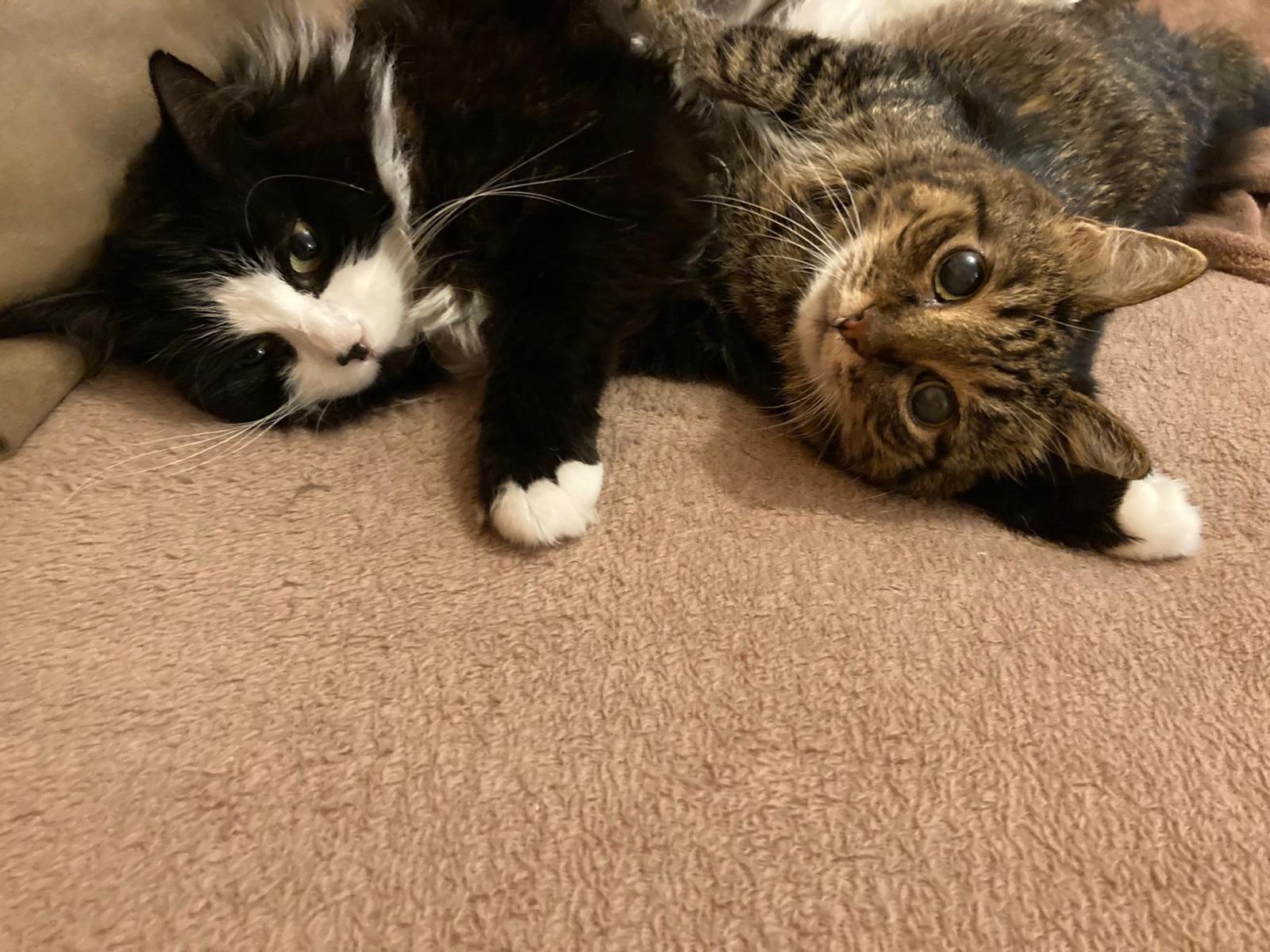
When an animal you love becomes seriously ill, the first thought is not money.
What do we need to do to help them?
Over the past weeks, my family and I have been living through exactly this kind of situation.
The first veterinary appointment. Tests. Medication. More calls. Waiting for results. Trying to understand whether specialist care is needed. Calling referral centres. Waiting again.
And while all of that is happening, your animal is still sick.
Then another reality appears: veterinary costs can rise incredibly quickly.
When your animal is seriously ill, you do not just need hope.
You need information, agency and a clear plan.
This article is not written to attack veterinarians. Many veterinary professionals do extraordinary work under enormous pressure.
But we should not sanitise the reality either.
Delays happen. Communication fails. Tests may need to be repeated. Specialist appointments can take time. Costs can rapidly become overwhelming.
And when an animal is deteriorating, losing several days inside the system can matter enormously.
This guide is about what you can actually do.
The Race Against Time: Referrals and Records
When advanced treatment becomes necessary, the transition between your local veterinary practice and a specialist hospital is one of the places where time can easily be lost.
If your animal is not improving, ask directly:
“Does my animal now need specialist care?”
And, if appropriate:
“Would you refer us today?”
Asking this is not being difficult. It is advocating for an animal who cannot advocate for themselves.
1. Do Not Leave a Referral Open-Ended
“We will call you” is not always enough when an animal is deteriorating.
- When will the referral be sent?
- When should I expect to hear from the specialist?
- Who should I call if I have not heard anything?
- What should I do if the condition worsens while we wait?
If your animal is deteriorating, do not let an unresolved referral simply roll into another day or weekend without understanding the plan.
2. Confirm the Referral Yourself
Do not assume that because one clinic sent something, the other clinic received it.
Call the specialist centre yourself.
Confirm that they have received:
- the referral;
- clinical history;
- blood results;
- imaging and reports;
- medication history;
- any other relevant records.
One phone call can prevent days being lost.
3. Own the Medical File
Ask for your own digital copy of your pet's relevant medical record.
Keep it accessible on your phone or computer.
If you suddenly need another specialist opinion or have to go to an emergency hospital, you should not have to start from zero while everyone searches for paperwork.
Your records can include:
- clinical notes;
- laboratory results;
- X-rays and scans;
- imaging reports;
- medication history;
- referral letters;
- discharge reports.
4. Seek Alternatives
If one specialist hospital cannot see your pet within a medically appropriate timeframe, ask whether another referral centre is available.
You can also contact alternative specialist centres and ask about availability and referral requirements.
One hospital is not necessarily your only option.
When “We'll Call You” Isn't Enough
If your animal is deteriorating and a clinic cannot confirm whether or when they can see them, ask for a clear answer:
“Can you offer an appointment within the medically appropriate timeframe — yes or no?”
If the answer remains uncertain, start discussing alternative centres rather than losing another day waiting for an indefinite callback.
7 Questions to Ask Your Vet
Many people feel uncomfortable asking direct questions because they do not want to appear disrespectful or challenging.
But asking questions is not disrespectful.
It is responsible advocacy for your animal.
1. “What are you trying to rule in or rule out with this test?”
Understand what information the test is expected to provide and how the result could change treatment.
2. “Will the specialist hospital probably need to repeat this?”
Sometimes repeating an investigation is medically necessary.
But if a specialist is likely to repeat the same test using different equipment or protocols, ask whether doing it immediately at the first practice is still clinically necessary.
3. “Does my animal now need equipment or expertise that this practice does not have?”
This can help clarify whether you have reached the limits of what the current clinic can provide.
4. “Would you refer us today?”
Do not be afraid to ask directly if your animal is not improving.
5. “Can these procedures safely be combined under one anaesthetic?”
Some diagnostic procedures require anaesthesia.
If several investigations may be needed, ask whether any can safely be coordinated during the same anaesthetic.
This will not always be clinically appropriate — that judgement belongs to the veterinary team — but it is completely reasonable to ask.
6. “What signs mean I should stop waiting and seek emergency care?”
Do not leave without understanding the warning signs.
Ask exactly what deterioration would require immediate action.
7. “Please send me and the referral centre the complete medical record today.”
Information needs to travel with the animal.
When Medical Care Becomes a Financial Emergency
Serious veterinary treatment can quickly cost hundreds or thousands.
For many families, the financial pressure becomes a second emergency.
Whenever circumstances allow, ask for a written estimate before major diagnostics, surgery or hospitalisation.
- Which tests or treatments are essential today?
- What can safely wait?
- Are there medically reasonable alternatives?
- Do you offer payment arrangements?
- What additional costs could arise depending on what you find?
Understanding the cost does not mean that you care less about your animal.
It means you are trying to make informed decisions in an extremely difficult situation.
Pet Insurance: Do Not Wait Until the Emergency
Pet insurance can make an enormous difference.
Insurance purchased after an illness has already started will generally not cover that existing condition.
For example, Dutch insurer OHRA currently excludes medical costs connected to conditions that existed before the policy started and conditions arising during its waiting period.
So insurance is something worth investigating while your animal is healthy, not when an emergency has already begun.
When comparing policies, look beyond the monthly premium.
- annual reimbursement limits;
- reimbursement percentage;
- deductibles;
- diagnostic imaging;
- specialist treatment;
- surgery;
- medication;
- age restrictions;
- waiting periods;
- exclusions;
- pre-existing conditions.
OHRA — Pet Insurance Coverage Information →
Financial Help in Amsterdam and the Netherlands
If veterinary treatment becomes financially impossible, there may be assistance available.
Amsterdamse Dierenhulp Aan Minima — ADAM
If you live in Amsterdam, Diemen or Weesp and have a Stadspas, you may qualify for the ADAM scheme.
For the current 2026–2027 Stadspas year, the scheme provides a free first consultation and contributes 50% of eligible medical costs up to €300, subject to its conditions. A voucher must be requested before the first veterinary visit under the scheme.
View the official ADAM-regeling information →
Dierenbescherming Noodfonds
The Dierenbescherming Noodfonds supports qualifying people with a minimum income in Noord-Holland, Utrecht and Flevoland who face unexpected medical costs for their pet and cannot pay those costs themselves.
Dierenbescherming — Noodfonds →
Check Your Municipality
Dierenbescherming also maintains a directory of Dutch municipalities with financial assistance or discounts related to veterinary costs.
Amsterdam, Amstelveen, Diemen, Haarlem and several other municipalities are currently listed.
Check municipal veterinary-support schemes →
Specialist and Emergency Care in Amsterdam
AniCura Medisch Centrum voor Dieren (MCD) in Amsterdam provides specialist veterinary care and operates an emergency service.
Its specialist referral clinic works on veterinary referral, while its emergency service operates 24/7; its site advises calling for an appointment.
Medisch Centrum voor Dieren — Amsterdam →
If You Are Outside the Netherlands
There is no single worldwide fund for veterinary emergencies.
But many countries have charities, veterinary hospitals, universities and community organisations that may be able to help.
United Kingdom
PDSA
PDSA provides free or lower-cost veterinary services for qualifying owners, depending on benefits and proximity to participating Pet Hospitals or practices.
Check PDSA eligibility →
Blue Cross
The Blue Cross Veterinary Care Fund allows participating veterinarians to apply for financial assistance in eligible cases. The fund has specific conditions and does not cover every type of specialist treatment.
Blue Cross Veterinary Care Fund →
United States
Waggle
Waggle is a pet-focused crowdfunding platform for veterinary treatment.
Approved campaigns raise funds for the animal's medical care, and Waggle pays the veterinary hospital directly when funds are available.
Waggle — Veterinary Crowdfunding →
RedRover Relief
RedRover provides urgent-care grants for qualifying pets in life-threatening situations.
Its current programme is designed primarily to help close smaller funding gaps rather than pay an entire large veterinary bill.
RedRover Relief — Urgent Care Grants →
Wherever You Live
Also search locally for:
- animal-welfare charities;
- humane societies;
- veterinary university hospitals;
- municipal assistance programmes;
- veterinary hardship funds;
- emergency financial assistance;
- pet-medical crowdfunding.
And ask the specialist hospital directly.
They may know assistance programmes that you have never heard of.
Information Is Power in a Crisis
When something happens to an animal we love, we are vulnerable.
We want to trust.
We want somebody to tell us what to do.
Most veterinary professionals care deeply about the animals they treat.
But veterinary medicine also exists inside a real system of appointments, businesses, limited capacity, referral pathways and significant costs.
Both realities can exist at the same time.
You do not need to become suspicious of everyone involved in your animal's care.
But you should stay involved.
Ask questions.
Keep the records.
Confirm the referral.
Understand why the next test is being proposed.
Ask what the alternatives are.
Understand the cost.
“We cannot afford to lose another few days. What is the fastest appropriate next step?”
Why I Am Sharing This
I am sharing this because I wish I had had a guide like this when we started going through it.
When an animal you love is sick, you are already frightened.
You should not also have to discover the referral system, specialist options, financial assistance and the right questions to ask while the clock is running.
The video connected to this article comes from a real family living through this reality.
If our experiences help one family lose less time, ask one better question, discover financial help they did not know existed, or reach the right specialist sooner, then sharing them was worth it.
Because money matters.
But sometimes time matters even more.
If you know somebody who owns an animal, please share this guide.
Another family may need this information tonight.
Andrea Rocchi
Founder, ClickActivism