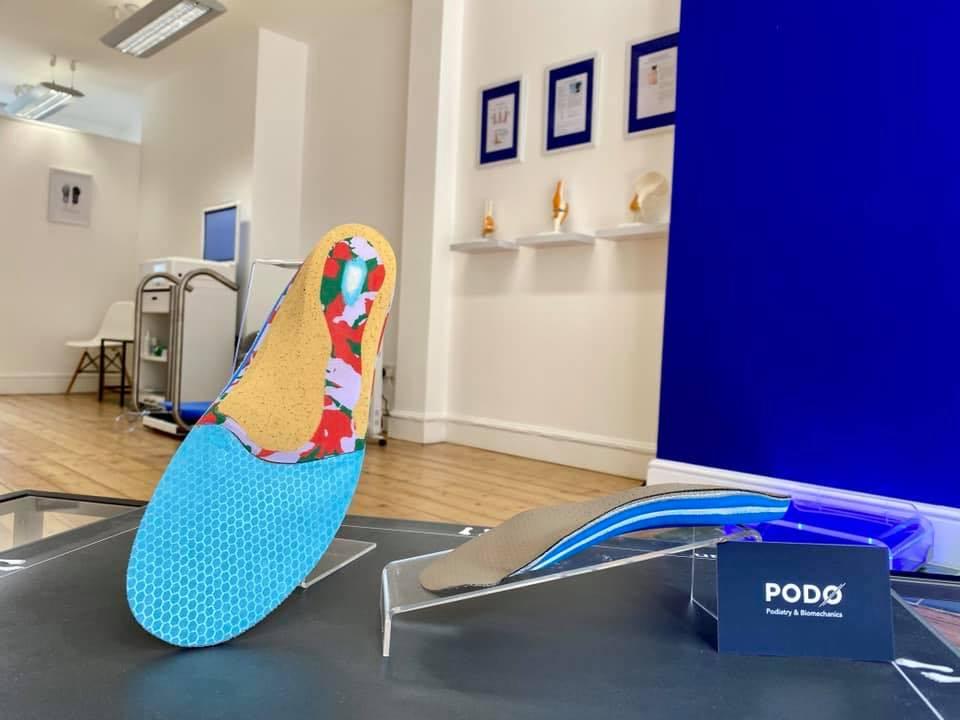
Introduction to Biomechanics and Orthotic-Based Movement Support
Modern lifestyles place significant pressure on the feet, joints, and lower limbs, making movement-related pain increasingly common across busy urban environments. A professional Biomechanics Orthotics service at PODO London focuses on understanding how the body moves and how custom orthotic support can improve posture, stability, and comfort. Many individuals experience recurring foot pain, knee strain, hip discomfort, or lower back fatigue because of poor biomechanics and structural imbalance. Orthotics designed through biomechanical assessment help restore natural alignment and improve force distribution throughout the body. This integrated approach supports healthier movement patterns, reduces stress on joints, and enhances long-term mobility for patients across London.
Why Biomechanical Function Is Essential for Daily Comfort
Every step taken during walking or standing places force through the feet and lower limbs. Patients attending Biomechanics Orthotics consultations at PODO London often discover that poor movement mechanics are the hidden cause of their discomfort. When alignment is compromised, the body compensates through inefficient movement patterns that overload muscles and joints. Over time, this can lead to chronic fatigue, instability, and pain. Biomechanical assessment identifies these dysfunctions and allows clinicians to introduce orthotic support that improves alignment, enhances shock absorption, and promotes healthier movement during daily activity across London.
Understanding the Relationship Between Orthotics and Biomechanics
Orthotics and biomechanics work together to improve movement efficiency and structural stability. At PODO London, Biomechanics Orthotics assessments focus on analysing how the feet function during walking and standing. Orthotics are then designed to support areas of weakness or imbalance identified during assessment. Unlike standard insoles, biomechanical orthotics are tailored to the individual’s posture, gait, and pressure distribution. This personalised correction helps improve lower limb alignment and reduces excessive strain on joints. Properly fitted orthotics support natural movement mechanics and contribute to long-term musculoskeletal health.
The Foundation Role of the Feet in Whole-Body Alignment
The feet are the foundation of the entire musculoskeletal system, meaning small structural issues can affect posture throughout the body. Patients visiting PODO London for Biomechanics Orthotics treatment often experience discomfort in the knees, hips, or lower back due to unstable foot mechanics. When the feet collapse inward or fail to absorb force properly, the body compensates through altered movement patterns. Orthotic support helps stabilise the feet and restore balanced alignment from the ground upward. This improves posture, movement coordination, and overall physical comfort during daily activity.
Gait Mechanics and Orthotic Intervention Strategies
Walking efficiency depends heavily on correct gait mechanics and proper force transfer through the feet. Patients attending Biomechanics Orthotics assessments at PODO London often show inefficient walking patterns linked to structural imbalance. Gait analysis helps clinicians understand how pressure moves through the feet during each stage of walking. Orthotics are then designed to guide movement more efficiently and reduce abnormal stress on muscles and joints. Improved gait mechanics help patients walk with greater comfort, stability, and reduced fatigue across daily routines in London.
Pressure Distribution and Shock Absorption Support
Uneven pressure distribution across the feet can lead to pain, inflammation, and movement instability. Many individuals seeking Biomechanics Orthotics treatment at PODO London experience overloaded pressure zones caused by poor alignment. Biomechanical orthotics help redistribute force more evenly across the feet, reducing stress on sensitive tissues and joints. Enhanced shock absorption also helps minimise repetitive strain during walking or prolonged standing. This leads to improved comfort, healthier movement patterns, and reduced injury risk during everyday physical activity.
Arch Support and Functional Foot Stability
The arch structure of the foot plays a vital role in balance, shock absorption, and movement control. Patients attending PODO London for Biomechanics Orthotics often experience instability caused by collapsed or poorly supported arches. Without proper support, excessive strain is placed on the ankles, knees, and hips. Biomechanical orthotics help stabilise the arches and improve force distribution during movement. This support enhances balance, reduces muscular fatigue, and promotes healthier movement mechanics across daily activities and exercise.
Flat Feet and Biomechanical Correction
Flat feet can significantly alter lower limb alignment and movement efficiency. Individuals receiving Biomechanics Orthotics care at PODO London frequently experience discomfort linked to overpronation and arch collapse. These issues can create abnormal stress throughout the lower limbs and spine. Biomechanical assessment helps identify the severity of flat foot mechanics and guides orthotic prescription. Corrective orthotics improve alignment, support natural movement, and reduce strain on joints. Long-term use often enhances posture and overall mobility for patients across London.
High Arches and Pressure Imbalance Management
High arches may appear structurally stable, but they often reduce the foot’s ability to absorb impact effectively. Patients attending PODO London for Biomechanics Orthotics assessment frequently experience pressure concentration under the heel or forefoot. This imbalance can contribute to pain and movement instability. Orthotic devices designed for high arches improve shock absorption and help redistribute pressure evenly. By supporting more efficient movement mechanics, orthotics reduce stress on the joints and improve walking comfort during daily activity.
Knee Joint Support Through Orthotic Alignment
Knee discomfort is commonly associated with poor foot mechanics and lower limb imbalance. Patients receiving Biomechanics Orthotics treatment at PODO London often discover that knee strain originates from instability in the feet. Orthotics help improve alignment by controlling abnormal foot movement during walking and standing. This reduces rotational stress on the knees and supports healthier joint mechanics. Improved lower limb alignment contributes to reduced pain, greater stability, and enhanced mobility across daily movement routines.
Hip Stability and Lower Limb Coordination
The hips rely heavily on balanced movement mechanics from the feet and knees. Many patients attending PODO London for Biomechanics Orthotics care experience hip tension or imbalance caused by poor foot support. When the lower limbs are not aligned correctly, the hips compensate to maintain stability during walking. Biomechanical orthotics help restore balance and improve lower limb coordination. This reduces unnecessary muscular strain and supports smoother movement throughout daily activity and exercise.
Lower Back Pain and Postural Compensation Patterns
Lower back discomfort often develops because of long-term compensatory movement patterns linked to foot instability. Patients visiting PODO London for Biomechanics Orthotics frequently experience spinal strain related to poor posture and gait mechanics. Orthotic support improves foot stability and helps restore natural alignment throughout the body. By reducing compensation in the lower limbs and pelvis, orthotics contribute to improved spinal positioning and reduced lower back tension during standing and walking.
Sports Biomechanics and Orthotic Performance Support
Athletes and active individuals place high physical demands on their musculoskeletal system. Many patients attending Biomechanics Orthotics consultations at PODO London seek orthotic support for sports performance and injury prevention. Biomechanical assessment identifies movement inefficiencies that may affect running mechanics, balance, or force transfer. Orthotics designed for athletic performance help improve movement efficiency and reduce repetitive strain injuries. This supports better endurance, improved stability, and enhanced physical performance during training and sports participation.
Occupational Fatigue and Daily Walking Strain
Busy professional lifestyles often involve prolonged walking and standing on hard surfaces. Patients attending PODO London for Biomechanics Orthotics treatment frequently experience fatigue and discomfort related to workplace activity. Poor foot support increases pressure on the joints and muscles throughout the day. Biomechanical orthotics improve shock absorption and movement efficiency, helping reduce occupational strain. This allows patients to maintain greater comfort and physical endurance during demanding work schedules in London.

Custom Orthotic Manufacturing and Personalisation
Custom orthotics are carefully designed based on individual movement patterns and structural requirements. At PODO London, Biomechanics Orthotics services include detailed biomechanical assessment and personalised orthotic fabrication. Clinicians analyse gait, pressure distribution, and posture before prescribing orthotic support. This ensures the device addresses the specific needs of the patient rather than providing generic cushioning. Personalised orthotics offer greater long-term effectiveness and improved musculoskeletal support.
Technology Used in Biomechanics Orthotic Assessment
Modern biomechanics relies on advanced diagnostic tools to improve treatment accuracy. Patients attending Biomechanics Orthotics assessments at PODO London may undergo digital gait analysis, pressure mapping, and movement evaluation using specialised technology. These systems provide detailed insight into how the body functions during walking and standing. Combining technology with clinical expertise allows clinicians to design highly effective orthotic solutions that improve posture, comfort, and movement efficiency.
Rehabilitation and Orthotic Integration Strategies
Orthotics are often combined with rehabilitation exercises to improve long-term movement quality. Patients receiving Biomechanics Orthotics treatment at PODO London may follow personalised rehabilitation programmes focused on strengthening muscles and improving flexibility. Rehabilitation helps the body adapt more effectively to corrected alignment provided by orthotics. This integrated approach enhances stability, restores natural movement mechanics, and supports better recovery from injury or chronic discomfort.
Preventing Long-Term Joint Degeneration Through Biomechanical Support
Poor movement mechanics can gradually contribute to wear and tear in the joints over time. Patients attending PODO London for Biomechanics Orthotics assessment benefit from early correction of biomechanical dysfunction before severe degeneration develops. Orthotic support reduces abnormal pressure on the joints and improves force distribution during movement. This preventive strategy helps protect cartilage, tendons, and surrounding tissues from repetitive stress and long-term damage.
Orthotics for Children and Adolescent Development
Biomechanical issues can begin during childhood and affect long-term physical development if left untreated. Many families seek Biomechanics Orthotics care at PODO London for children experiencing walking imbalance, flat feet, or posture-related concerns. Early biomechanical assessment helps identify developmental movement issues and provides appropriate orthotic support. Corrective treatment during growth stages supports healthier posture, improved balance, and stronger long-term musculoskeletal development.
Long-Term Benefits of Biomechanical Orthotic Treatment
Patients receiving Biomechanics Orthotics care at PODO London often experience significant long-term improvements in comfort, posture, and movement efficiency. Correcting alignment through orthotic support reduces strain on muscles and joints while improving stability during walking and standing. Many individuals report less fatigue, improved balance, and greater confidence in physical activity. Long-term orthotic treatment supports healthier biomechanics and improved quality of life across all age groups.
Personalised Care and Clinical Expertise at PODO London
Every patient has unique structural needs, movement patterns, and lifestyle demands. At PODO London, Biomechanics Orthotics services are fully personalised to ensure accurate diagnosis and effective treatment planning. Clinicians combine biomechanical expertise with advanced technology to create tailored orthotic solutions that improve comfort and mobility. This personalised approach supports better outcomes and long-term musculoskeletal health for patients throughout London.
Why Patients Across London Choose PODO London
Patients across London trust PODO London for Biomechanics Orthotics services because of its evidence-based clinical approach and advanced movement assessment methods. The clinic focuses on identifying the root cause of pain rather than only managing symptoms. Through detailed biomechanical evaluation and customised orthotic support, patients receive long-term solutions that improve posture, movement efficiency, and overall physical wellbeing.
Conclusion
Biomechanical orthotic care plays a major role in improving movement efficiency, posture, and long-term musculoskeletal health. Through advanced Biomechanics Orthotics services at PODO London, patients across London receive detailed assessment, personalised orthotic support, and evidence-based treatment strategies designed to reduce pain and enhance mobility. By correcting structural imbalance and improving lower limb function, orthotic treatment supports healthier movement patterns and better quality of life for individuals of all ages and activity levels.
FAQs
What are biomechanics orthotics used for?
Biomechanics Orthotics at PODO London are designed to improve posture, foot stability, and movement efficiency by correcting structural imbalances in the lower limbs. These orthotic devices help redistribute pressure, reduce strain on joints, and support healthier walking mechanics for patients experiencing foot pain, knee discomfort, or lower back issues across London lifestyles.
Can orthotics help with chronic foot pain?
Yes, patients attending PODO London for Biomechanics Orthotics treatment often receive support for plantar fasciitis, arch pain, heel discomfort, and walking fatigue. Custom orthotics are tailored to the patient’s biomechanics and help improve alignment while reducing excessive pressure on sensitive tissues and joints during daily movement.
Are custom orthotics different from standard insoles?
Custom orthotics prescribed through Biomechanics Orthotics assessment at PODO London are individually designed based on gait analysis, posture evaluation, and foot structure. Unlike generic insoles, they provide targeted biomechanical correction and long-term support that improves movement quality, stability, and overall musculoskeletal function.
Can biomechanics orthotics improve sports performance?
Athletes attending PODO London for Biomechanics Orthotics care often benefit from improved running mechanics, enhanced shock absorption, and reduced injury risk. Orthotics designed for sports activity help improve balance, movement efficiency, and lower limb coordination during training and physical performance.
Why is biomechanical assessment important before orthotic treatment?
A detailed Biomechanics Orthotics assessment at PODO London ensures orthotic devices are accurately designed for the patient’s posture, gait, and movement patterns. Without biomechanical analysis, orthotics may fail to address the root cause of discomfort. Proper assessment supports more effective correction and long-term physical improvement.